もう一週間ごろ学期を終わりますね。なつやすみになにをしますか。
私は夏休みに香港へ家族に会いにいきます。友達にも会いたいです。もちろんたくさん中国料理を食べます。ニューヨークの中国料理は高いし、おいしくないし、あまり食べませんでした。
皆さん、夏休みに何を知ろうと思いますか。教えてください。
Thursday, April 21, 2011

Monday, April 11, 2011
Composition 2: 東京競馬場を忘れることができません
わたしは去年の五月に日本へ旅行しに行きました。初めて自分で旅行をしました。京都や伊勢や日光や奈良へいって、きれいな神社とお寺を見て、たくさん写真を撮りました。でも、一番特別なところは東京競馬場でした。わたしは動物の中で、馬が一番好きだから、いつも競馬場へ行きたかったです。日本の旅行の最後の二日、新幹線で京都から東京まで行っているとき、わたしの隣に知らない人は新聞を読みました。わたしはちょっとその人の新聞を見て、競馬ニュースを見ました。わたしは競馬場へいかなければならないと思いました。インターネットで予約したカプセルホテルは池袋にあったから、東京に着いたとき、電車に乗り換えて、池袋で降りました。
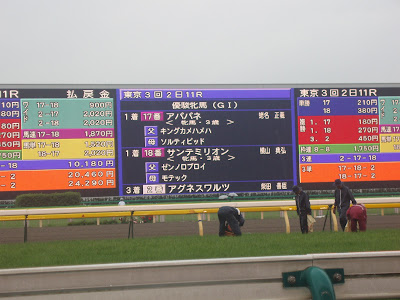
次の朝に雨が降っていました。カプセルホテルのチェックアウトの時間が午前八時だったから、わたしは早く電車で東京競馬場へいきました。東京競馬場は大きくて、人が多かったです。わたしは競馬場にたくさん男の人がいると思いましたが、実は人はご家族を連れて来ました。そこは本当によかったです。子供は競馬の3D映画を見たり、ゲームをしたりすることができました。そして、日本と世界の競馬歴史を見せる建物がありました。もちろんレースはおもしろかったです。その日曜日のG1レースはオークスで、そのレースの結果は特別でした。馬が二頭一緒にフィニシュラインを渡りました。競馬場の中でそのレースを見ていた人がは一着の馬がわかりませんでした。レースコースの大きいテレビはそのレースの再生を十回ぐらい見せました。でも、わたしは競馬場の皆さんと一緒に再生を見て、一緒に「へえええ。」と言いました。わたしははじめでこの感じがありました。とてもすごかったです。三十分後そのレースの結果を見せました。一着の馬が二頭いました。隣の知らない男の人は「よかった。」と言って、楽しくなりました。わたしは東京競馬場へいたことがあったは本当によかったです。

Sunday, April 10, 2011
Monday, February 21, 2011
Composition 1
バンクーバーはどうですか。バンクーバーはわたしの町で、おもしろいですよ。私のアパートはへやがあるから、ホテルの予約をしなくてもいいです。公園がたくさんあります。そして、桜のきがあるから、春にとてもきれいです。天気はよくて、涼しいです。
朝ごはんをたべてから、公園へ花見をしに行きます。そして、公園の中にトーテムポールがたくさんあります。バンクーバー水族館(Vancouver Aquarium)も公園の中にあります。水族館でイルカと鯨を見ることができます。それから、山へスキーをしに行きます。山は近いて、車で一時間ぐらいかかります。でも三月に雪が降らないと思いです。じゃ、スティーブストン漁港へいきます。水はとても寒いから、泳がないでください。海で釣りをしてもいいです。昼ごはんは漁港で食べます。フィッシュ・アンド・チップスは有名です。そして、漁港に日系カナダ人の歴史があります。晩ごはんは中国料理を食べます。中国人が多いから、中国料理のレストランがたくさんあります。本物の中国料理ですよ。あちらの中国料理はニューヨークのよりおいしいです。特別のカニは有名で、大きいて、おいしいです。お国へ帰る前に、お土産を買わなければなりません。スモークサーモンは有名で、おいしいです。バンクーバーの旅行は楽しいですよ。
Thursday, February 17, 2011
About Communication
What can we expect to learn from this project?
Presentation skills: speaking clearly in Japanese, with proper articulation, body language
Language control: Is the grammar accurate? Is it simple enough to be understood by our
classmates, while still challenging them?
Technical Aspect: proper use of the camera, video editing etc.
How to make something attractive for the audience and interesting to ourselves
Show the Japanese cultural embedded in the metropolitan city of New York
Communication is to be clear and precise in both speech and writing, so others know what I want to convey. Also, it is to listen to others because communication is always two-way.
Tuesday, February 1, 2011
Sunday, December 5, 2010
Composition 3
にじゅうねんごのわたしはよんじゅうごさいです。かぞくはよにんです。つまとむすめとむすこがいます。バンクーバーはわたしのホームタウンですから、かぞくといっしょにカナダのバンクーバーにいます。おおきいうちがあまりすきじゃありませんから、アパートにいます。そして、くるまがあります。わたしはせいふのしゃいんです。げつようびからきんようびまでくるまでかいしゃへいきます。しごとはくじからごじまでです。そして、しごとはいそがしいですが、おもしろいです。サッカーがすきですから、どようびのあさむすことサッカーをします。じゅうねんまえのわたしはおんがくがならいたかったですが、ならいませんでしたから、どようびのごごにむすめとピアノをならいます。にちようびはひまです。なにもしません。にほんごがわかりますから、なつやすみにかぞくとにほんへりょこうをしにいきます。そして、わたしのにほんりょこうのにじゅうねんきねんですよ。そして、せかいのなかでにほんがいちぱんすきです。このせいかつはとてもいいですね。
Wednesday, December 1, 2010
Katakana Project Final Draft
There are two uses of katakana on this train station sign: ホテル and 江ノ島. However, I would like to focus on 江ノ島 because ホテル is just a normal loan word usage for katakana. This sign is very interesting because it has both versions of Enoshima on it. What is the purpose of using katakana ノ instead hiragana の for Enoshima? It appears that both versions are viable. At first, I thought that the effect of using katakana ノ is to distinguish Enoshima as the name of a place, so that the reader will not confuse the の with its possessive function. However, I found out in their tourist website that 江の島 is the official name. The continued existence of 江ノ島 is purely historical, and possibly has to do with the history of katakana and hiragana script. Therefore, I conclude that there is no effect/purpose for using 江ノ島, because it is a historical coincidence and government policy. Here is the website that talks about the history of the two different names: http://www.s-n-p.jp/enosima_hyouki.htm
My second katakana word is マ ツタケ. I found this example from an article of the Asahi Newspaper website. The purpose for using katakana in this case is to emphasize that マツタケ is the name of a kind of Japanese mushroom. By using katakana, it will stand out much better in a page of texts. The English language has something similar by using Latin words and italics when showing the binomial name (genus and species) of a plant or animal. For example, a cat's binomial name is Felis catus.
All of the textbook examples explain the use of katakana for foreign names and loan words because it is the one most commonly seen, and most easily recognizable by starting Japanese students. Some of the textbooks also explain the use of katakana as onomatopoeia. It is slightly more advanced, and not common in regular reading materials. Also, a lot of them are fixed to certain actions, like the sounds made by animals, so they can be recognized students as vocabulary words. Thus, the authors and editors of textbooks might view it unnecessary to explain this usage to the students. Finally, katakana as emphasis is the most advanced out of the common katakana uses. Beginning students of the Japanese language probably will not encounter this usage when they are still unable to read materials outside of the textbook. Therefore, there is no urgency to tell the students of this usage and risk the chance of confusing the student.
Wednesday, November 24, 2010
わたしの日本旅行
今年の五月に一人で日本へ行きました。日本に二週間いました。たくさんところへいきましたよ。成田空港から新宿まで成田エクスプレスでいきました。次の日に築地で朝ご飯を食べました。日本の寿司を食べました。そして、新宿から仙台まで新幹線でいきました。それから、電車で塩竈へ行きました。塩竈にきれいな桜がありましたよ。五月はちょっと遅かったです。とてもよかったです。ラッキーでしたね。あそこの人は親切でした。朝塩竃神社へいきました。おじさんと会いました。あの時、私は日本語があまりわかりませんでしたから、そのおじいさんは私と英語で会話をしました。そのおじいさんのおじさんはトーロントにいました。それから、電車で仙台へいきました。
私は仙台の有名な店で昼ご飯を食べました。あの店のみそは特別でしたから、とてもおいしかったです。そして、お祭りをみました。とてもにぎやかでした。仙台は塩竈よりにぎやかでしたが、東京より人が多くありませんでした。
今時間がありませんから、また。
私は仙台の有名な店で昼ご飯を食べました。あの店のみそは特別でしたから、とてもおいしかったです。そして、お祭りをみました。とてもにぎやかでした。仙台は塩竈よりにぎやかでしたが、東京より人が多くありませんでした。
今時間がありませんから、また。
Tuesday, November 16, 2010
川柳(せんりゅう)
料理は りょうりは
難しいです むずかしいです
シェフじゃない シェフじゃない
寝ませんな ねませんな
シングルベッド シングルベッド
冷たいし つめたいし
恋人か こいびとか
バレンタインに バレンタインに
チョコあげて チョコあげて
難しいです むずかしいです
シェフじゃない シェフじゃない
寝ませんな ねませんな
シングルベッド シングルベッド
冷たいし つめたいし
恋人か こいびとか
バレンタインに バレンタインに
チョコあげて チョコあげて
Tuesday, November 9, 2010
Composition 2
やまださんへ
はじめまして。わたしはタムです。カナダじんです。バンクーバーからきました。にじゅうごさいです。いまニューヨークのコロンビアだいがくいんのいちねんせいです。ちゅうごくのれきしをべんきょうします。そして、にほんごもべんきょうします。コロンビアだいがくはゆうめいなだいがくです。このだいがくのとしょかんはいいです。としょかんはにほんごのほんとちゅうごくごのほんがたくさんあります。コロンビアだいがくのせいかつはいそがしいですが、とてもたのしいです。せんせいとがくせいはしんせつです。わたしはごがつにじゅうよっかにひこうきでなりだくうこうへいきます。よろしくおねがいします。
Tuesday, November 2, 2010
Katakana Analysis Draft

There are two uses of katakana on this train station sign: ホテル and 江ノ島. However, I would like to focus on 江ノ島 because ホテル is just a normal loan word usage for katakana. This sign is very interesting because it has both versions of Enoshima on it. What is the purpose of using katakana ノ instead hiragana の for Enoshima? It seems that both versions are viable. At first, I thought that the effect of using katakana ノ is to distinguish Enoshima as the name of a place, so that the reader will not confuse the の with its possessive function. However, I found out in their tourist website that 江の島 is the official name. The continued existence of 江ノ島 is purely historical, and possibly has to do with the history of katakana and hiragana script. Therefore, I conclude that there is no effect/purpose for using 江ノ島, because it is a historical coincidence. Here is the website that talks about the history of the two different names: http://www.s-n-p.jp/enosima_hyouki.htm
My second katakana word is マツタケ. I found this example from an article of the Asahi Newspaper website. The purpose for using katakana in this case is to emphasize that マツタケ is the name of a kind of Japanese mushroom. By using katakana, it will stand out much better in a page of texts. The English language has something similar by using Latin words and italics when showing the binomial name (genus and species) of a plant or animal. For example, a cat's binomial name is Felis catus.
All of the textbook examples explain the use of katakana for foreign names and loan words because it is the one most commonly seen, and most easily recognizable by beginning foreign students. Some of the textbooks also explain the use of katakana as onomatopoeia. It is slightly more advanced, and not used as often. Also, many of them are fixed, so they can be recognized and applied by students like other vocabulary words. Thus, the authors and editors of textbooks might deem it unnecessary to explain this usage to the students. Finally, katakana as emphasis is the most advanced out of the common katakana uses. Beginning students of the Japanese language probably will not encounter this usage when they are still unable to read materials outside of the textbook. Therefore, there is no urgency to tell the students of this usage and risk the chance of confusing the student.
Monday, October 11, 2010
にせんじゅうねんのごがつにじゅうさんにちのオークス
わたしはことしのごがつにじゅうさんにちにとうきょうけいばじょうへいきました。


あのひのG1レースはオークスです。

はじめてけいばじょうへいきました。けいばはおもしろいです。にほんじんはけいばがすきです。たくさんのひとがいました。あのひ、わたしのひるごはんはうなじゅうです。うなじゅうはおいしいです。みなさん、このレースをみてください。
みなさん、このレースはすごいですね。このしゃしんはレースけっかです。
 じゃ、また。


あのひのG1レースはオークスです。

はじめてけいばじょうへいきました。けいばはおもしろいです。にほんじんはけいばがすきです。たくさんのひとがいました。あのひ、わたしのひるごはんはうなじゅうです。うなじゅうはおいしいです。みなさん、このレースをみてください。
みなさん、このレースはすごいですね。このしゃしんはレースけっかです。


Tuesday, September 28, 2010
コロンビアだいがくのいなり
にほんごのべんきょうはたいへんですね。まいにちわたしはにほんごをべんきょうします。でもだいじょうぶです、にほんのぶんかをすきですね。
For anyone who is also interested in Japanese culture, there is a lecture called "How the Sacred Foxes Came to Columbia: Anthropological Fieldwork, Synchronicity, and the Collecting Impulse." It will be held on Thursday, September 30th at 6:00pm in Kent 403. Here is the link if you want to find out more. http://www.columbia.edu/cu/lweb/news/exhibitions/2010/20100920.sacred_foxes.html
これはくがつさんじゅうにちにごごろくじにです。
Related to this lecture is my first tourist site recommendation that everyone should visit in Japan: The Fushimi Inari Shrine (伏見稲荷大社). It is a shrine that worships the Sacred Fox and very easy to get to from Kyoto. わたしはごがつにあちらへいきました。あちらのせんぼんとりいはゆうめいです。せんぼんとりいはほんとうにすばらしいです。


 じゃ、またね。
dodo
For anyone who is also interested in Japanese culture, there is a lecture called "How the Sacred Foxes Came to Columbia: Anthropological Fieldwork, Synchronicity, and the Collecting Impulse." It will be held on Thursday, September 30th at 6:00pm in Kent 403. Here is the link if you want to find out more. http://www.columbia.edu/cu/lweb/news/exhibitions/2010/20100920.sacred_foxes.html
これはくがつさんじゅうにちにごごろくじにです。
Related to this lecture is my first tourist site recommendation that everyone should visit in Japan: The Fushimi Inari Shrine (伏見稲荷大社). It is a shrine that worships the Sacred Fox and very easy to get to from Kyoto. わたしはごがつにあちらへいきました。あちらのせんぼんとりいはゆうめいです。せんぼんとりいはほんとうにすばらしいです。


dodo
Wednesday, September 22, 2010
Why Study Japanese
The main reason why I am studying Japanese because I want to expand the amount of material I can use in my research. I am a first year EALAC MA focusing on Chinese history, so knowing Japanese will allow me to use Japanese secondary sources. Also, knowing Japanese will be more convenient when I travel there again. I went to Japan in May this year, and not knowing Japanese handicapped my experience there. Maybe I'll share my experinece there in this blog later.
Monday, September 20, 2010
はじめまして
はじめまして、みなさん。
わたしはダムです。カナダじんです。バンクーバーからきました。コロンビアだいがくいんのいちねんせいです。ちゅうごくのれきしをべんきょうします。にじゅうごさいです。
このブログはわたしのさいしょのブログです。
どうぞよろしくおねがいします。
わたしはダムです。カナダじんです。バンクーバーからきました。コロンビアだいがくいんのいちねんせいです。ちゅうごくのれきしをべんきょうします。にじゅうごさいです。
このブログはわたしのさいしょのブログです。
どうぞよろしくおねがいします。
Subscribe to:
Posts (Atom)